
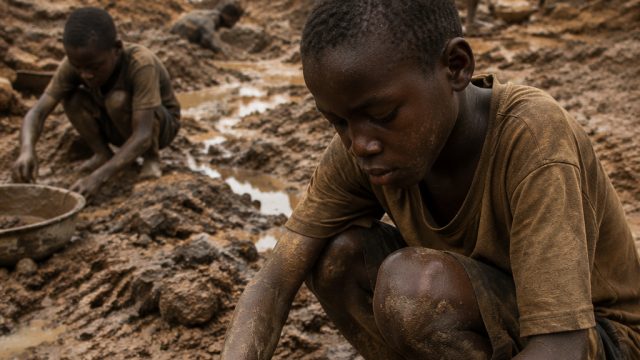
The demand for critical minerals has surged in recent years, driven by the clean energy revolution and technological advancements. However, a recent report from a UK-based NGO has unveiled alarming trends linking this boom to a significant rise in human rights violations, with complaints, protests, and lawsuits increasing by 73%. This situation is critical now as it poses challenges not only to the industry but also to global sustainability efforts.
The Connection Between Clean Energy and Human Rights Violations
As the world transitions towards cleaner energy sources, the extraction of critical minerals has become imperative. These minerals, essential for technologies such as electric vehicles, batteries, and solar panels, are often sourced from regions where labor rights are vulnerable. The report highlights that while the green transition is necessary, it cannot disregard the rights of individuals impacted by mining operations.
Nature of the Complaints
According to the NGO's findings, the nature of complaints encompasses various forms of human rights abuses. Here are some of the most prevalent issues:
- Labor Exploitation: Reports of workers facing unsafe working conditions, inadequate wages, and excessive working hours are rampant.
- Community Displacement: Mining activities often lead to the displacement of local communities, uprooting families and disrupting their lives.
- Environmental Degradation: The environmental impact of mining, including water contamination and deforestation, further exacerbates the plight of local populations.
Recent Protests and Legal Actions
The report notes an uptick in protests and legal actions by affected communities. These movements underscore the urgent need for accountability in the mineral extraction process. Activists are increasingly speaking out against companies that fail to prioritize ethical standards in their operations. This trend highlights a shift in public consciousness, where consumers and activists demand more transparency regarding the sourcing of critical minerals.
What This Means for the Future
The implications of these findings are profound. As industries increasingly rely on critical minerals, stakeholders must consider the ethical ramifications of their sourcing practices. Here’s what this means moving forward:
- Corporate Responsibility: Companies need to adopt strict ethical sourcing standards to protect human rights in mining regions.
- Policy Change: Governments must implement stricter regulations regarding mining practices to safeguard local populations and the environment.
- Consumer Awareness: Individuals can play a significant role by choosing to support brands that prioritize ethical sourcing and sustainability.
Industry Response and the Path Ahead
In light of these revelations, many companies within the critical minerals sector are evaluating their practices. Industry leaders are beginning to acknowledge the importance of integrating human rights considerations into their operational frameworks. Some companies are taking proactive steps, such as:
- Enhancing transparency in supply chains.
- Participating in third-party audits of labor practices.
- Engaging with local communities to address their concerns directly.
However, while these initiatives are steps in the right direction, more must be done to create lasting change. The challenge lies in ensuring that the quest for clean energy does not come at the expense of human rights.
Conclusion: A Call for Collective Action
The rise in human rights allegations within the critical minerals mining sector is a clarion call for all stakeholders involved. As we advance into an era increasingly reliant on clean energy technologies, it is vital that we do not overlook the human cost of such progress. The future of sustainable mining hinges on collective action—from governments and corporations to consumers. By prioritizing ethical practices, we can ensure that the transition to a greener world does not sacrifice the rights and dignity of those who are most affected by these industries.