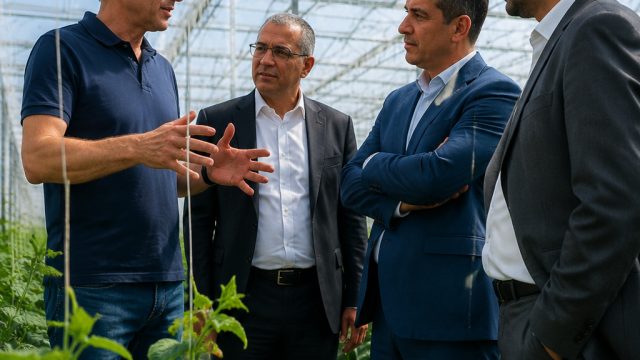
In an era where sustainable agricultural practices are more crucial than ever, the introduction of Dutch horticultural technology to the Moroccan market poses a significant opportunity. This merging of innovation and local agriculture could redefine how farming operates in the region, ultimately benefiting farmers and consumers alike.
The Importance of Agricultural Technology
Modern agriculture requires an infusion of technology to meet the rising demands of food production while maintaining environmental sustainability. Dutch horticultural methods are renowned for their efficiency and innovation, utilizing advanced tools and practices to maximize yield and reduce waste.
Adapting Advanced Techniques
- Greenhouse Cultivation: The use of state-of-the-art greenhouses allows for year-round production, protecting crops from adverse weather.
- Hydroponics: This soil-less growing method enables efficient water use and nutrient delivery, ideal for arid regions like Morocco.
- Smart Irrigation Systems: By implementing technology that monitors soil moisture and weather conditions, farmers can optimize water usage.
Benefits for Moroccan Farmers
Integrating Dutch technology into Moroccan agriculture stands to enhance local farming practices in various ways:
- Increased Productivity: With advanced techniques, farmers can significantly boost their crop yields.
- Reduced Resource Use: Technologies help to minimize water and fertilizer usage, ultimately lowering costs.
- Enhanced Crop Quality: Improved farming methods lead to healthier produce that can command higher market prices.
Market Relevance and Timing
The urgency for adopting such innovations cannot be overstated. As climate change impacts agricultural practices globally, regions like Morocco must adapt to ensure food security and sustainability. The introduction of Dutch horticultural practices is timely, providing new tools and strategies to combat these challenges.
Current Trends and Demand
Consumers today are increasingly aware of where their food comes from and how it is produced. This shift in consumer behavior emphasizes the need for sustainable farming practices that are both eco-friendly and economically viable. The Dutch horticultural sector's focus on sustainability aligns perfectly with these emerging consumer preferences.
Collaborative Efforts and Future Prospects
To facilitate the successful integration of Dutch horticultural technology into Morocco, collaboration between local farmers, government agencies, and Dutch agricultural experts is essential. Initiatives aimed at knowledge transfer and skill development will empower local farmers to leverage these advanced techniques effectively.
Potential Partnerships
- Government Support: Policies encouraging technology adoption can foster a conducive environment for innovation.
- Knowledge Exchange Programs: Training sessions and workshops can provide farmers with hands-on experience.
- Investment Opportunities: Dutch firms can invest in local agriculture, driving mutual growth and technological advancement.
Conclusion: A Bright Future Ahead
As Morocco stands on the brink of a significant agricultural transformation, the incorporation of Dutch horticultural technology offers unparalleled opportunities. By embracing these innovations, Moroccan farmers can enhance their productivity, ensure sustainability, and meet the evolving needs of consumers. The time to act is now — the future of agriculture in Morocco is being redefined with every innovative step taken.