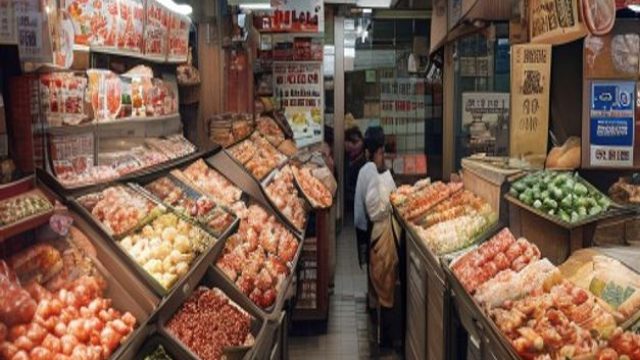
In recent months, North Korea has tightened its grip on local market pricing, a move that has garnered widespread attention from economists and analysts alike. As the nation grapples with the residual effects of the pandemic, the implications of these regulations are significant for both the citizens and the broader economic landscape.
Understanding the Shift in Market Control
The North Korean government has historically maintained strict controls over its economy, but the pandemic has prompted unprecedented interventions. Reports indicate that local authorities are now enforcing price ceilings on essential goods, aiming to stabilize the market amid rising inflation rates. This shift is a response to heightened economic challenges, including food shortages and external sanctions.
Government Strategies to Control Prices
- Price Ceilings: Implementing maximum allowable prices on staple goods.
- Surveillance: Increasing monitoring of market transactions to prevent price gouging.
- Regulatory Penalties: Instituting fines for vendors who do not comply with new pricing measures.
These strategies reflect a broader trend of centralization, where the state seeks to manage the economy more directly in response to crises. While this approach may provide short-term relief, it raises questions about the long-term effects on market dynamics and the livelihoods of ordinary citizens.
The Impact on Citizens
For everyday North Koreans, the tightening of market controls has significant repercussions. With stringent regulations in place, many citizens are left grappling with limited access to goods and services. The question arises: will these measures alleviate shortages or exacerbate them?
Challenges Faced by Local Vendors
Local vendors, who have historically played a crucial role in North Korea's informal economy, are facing increasing challenges:
- Inventory Issues: Difficulty in sourcing products at government-mandated prices.
- Profit Margins: Reduced ability to mark up prices, leading to financial strain.
- Risk of Penalty: Fear of fines or legal repercussions for non-compliance.
As a result, many vendors are left in a precarious position, forced to navigate a complex web of restrictions while trying to maintain their businesses. The balance between compliance and survival is precarious, and many are unsure how long they can sustain their operations.
Global Reactions and Future Outlook
The international community has taken note of North Korea's increasing market restrictions. Analysts suggest that these new policies may isolate the country further from global trade networks. As sanctions continue to hamper economic growth, North Korea's decision to tighten market oversight might lead to a cycle of economic stagnation.
Potential Consequences
With these developments, several possible outcomes may arise:
- Increased Isolation: Limits on trade could intensify North Korea's isolation.
- Economic Decline: Prolonged restrictions could lead to further economic deterioration.
- Social Unrest: Discontent among citizens may rise if basic needs remain unmet.
Experts argue that the government's approach may be a double-edged sword. While it aims to control inflation and stabilize the economy, it could inadvertently lead to greater economic hardships for citizens.
Conclusion: A New Era for North Korea's Economy?
As North Korea tightens its control over market prices in response to the ongoing economic challenges, the effects will be felt by citizens and vendors alike. While the government seeks to mitigate the impact of inflation and shortages, the long-term implications of such strategies remain uncertain. Stakeholders within the country and the broader international community will be watching closely as these developments unfold, hoping for stability in a region often marred by uncertainty.